Study Commercial Flower Growing
Thus course covers the generic cultural practices which are used to manage the soil, water and light conditions that are different for, and are suited to growing different types of flowers. You will learn to understand how flowers can be prompted to initiate and develop, and beyond that production planning, harvesting & handling produce, marketing, and of course the particular needs which can vary from one type of flower to the next. You will understand that producing roses is different to producing carnations, orchids, tulips or anything else.
- Developed by a team of horticulturists with a diversity of experience farming flowers
- Self paced, involving both online and off line learning; designed to be able to be studied from home no matter where you live.
ACS Graduate comment: "I consider that my success in recent years is directly related to the training I have done with the ACS. The materials were spot on, and the tutors were superb...."
Lesson Structure
There are 10 lessons in this course:
-
Introduction to Cut Flower Production
-
Scope and Nature of the Flower Industry
-
International Flower Market
-
Succeeding in the Trade
-
Flower Structure
-
Development of a Flower
-
Introduction to Hydroponic Culture
-
Understanding plant growth … roots, stems, flowers, leaves
-
Types of flowers; perennials, bulbs.
-
Review of Flower Crops; Alstroemeria, Antirrhinum, Amaryllis, Anigozanthus, Aster Carnation, Chrysanthemum, Dahlia, Freesia, Gerbera, Gladiolus, Iris, Narcissus, Orchids, Rose, Stock and others.
-
Soils and Nutrition
-
Soil composition
-
Soil texture
-
Soil structure
-
Colloids
-
Peds
-
Characteristics of clay, sand and loam soils
-
Naming the Soil
-
Improving Soil Structure
-
Improving fertility
-
Benefits of adding organic matter to soils
-
Soil life; earthworms, mycorrhiza, nitrogen fixing, etc.
-
Soil Water
-
Understanding dynamics of water loss
-
Improving soil water retention
-
Types of soil water (Hygroscopic, Gravitational)
-
Soil analysis
-
Plant tissue analysis for soil management
-
Measuring pH
-
Other soil testing (testing salinity, colorimetry, etc)
-
Measuring Water availability to plants
-
Soil Degradation and rehabilitation (Erosion, Salinity, Acidification, etc)
-
Soil Chemical Characteristics
-
Nutrient availability and pH
-
The nutrient elements; major, minor, total salts
-
Diagnosing nutritional problems
-
Fertilisers (types, application, etc)
-
Natural Fertilisers
-
Fertiliser Selection
-
Composting methods
-
Soil mixes and potting media
-
Cultural Practices
-
Site selection
-
Production
-
Cultivation techniques
-
Using cover crops
-
Green manure cover crops
-
Nitrogen Fixation in legumes
-
Crop rotation
-
Planting procedure
-
Staking
-
Bare rooted plants
-
Time of planting
-
Mulching
-
Frost protection
-
Managing sun
-
Managing animal pests; birds, etc.
-
Pruning
-
Water management and Irrigation
-
When to irrigate
-
Period of watering; cyclic watering, pulse watering, etc
-
Sprinkler irrigation
-
Trickle irrigation
-
Sprinkler systems; portable, permanent, semi permanent, travelling
-
Types of sprinkler heads
-
Sprinkler spacings
-
Selecting surface irrigation methods
-
Weed control
-
Preventative weed management
-
Hand weeding
-
Mechanical weeding
-
Chemical weed control
-
Classification of weedicides
-
Natural Weed Control Methods
-
Review of common weeds
-
Flower Initiation and Development
-
How flowers Age
-
Managing flower longevity
-
Effects of Carbon Dioxide
-
Getting plants to flower out of season
-
Types of flower response to temperature
-
Ways to cause controlled flowering
-
Narcissus flower management
-
Managing Azalea flowering
-
Seed sources
-
Hydroponics for controlled growth
-
Pest and Disease Control
-
Integrated Pest Management
-
Chemical Methods of Pest Control
-
Chemical labels
-
Non Chemical methods of pest control
-
Pest and Disease Identification and Management on flower crops
-
Anthracnose
-
Blight
-
Canker
-
Damping off
-
Galls
-
Leaf Spot
-
Mildew
-
Rots
-
Rust
-
Smut
-
Sooty Mould
-
Virus
-
Wilt
-
Caterpillars
-
Leafhoppers
-
Mealy Bugs
-
Millipedes
-
Mites
-
Nematodes
-
Scale
-
Slugs or Snails
-
Thrip
-
Whitefly
-
Viruses,
-
Others
-
Environmental Problems
-
Australian Natives and Related Plants
-
Proteaceae Plants (Aulax, Banksia, Dryandra, Grevillea, Hakea, Isopogon, Leucadendron, Leucospermum, Macadamia, Mimetes, Persoonia Protea, Serruria and Telopea.)
-
Culture of Proteaceae cut flowers
-
Proteaceae propagation
-
Anigozanthus
-
Other Australian Cut Flowers
-
Greenhouse Culture
-
The greenhouse business
-
Greenhouse system
-
Components of a greenhouse
-
What can be grown in a greenhouse?
-
Siting greenhouses
-
Types of greenhouses
-
Shade houses
-
Cold frames
-
Heated propagators
-
Framing and cover materials
-
Thermal screens
-
Wind breaks
-
Benches and beds
-
Environmental control; Temperature, moisture, irrigation, shading -both natural and with blinds/curtains, light-including supplemented light if needed, ventilation, levels of CO2, mist/fogging
-
Photosynthesis
-
Plants that respond to Carbon dioxide
-
Day length manipulation
-
Lighting and heating equipment
-
Horticultural management within the greenhouse
-
Harvest and Post Harvest
-
Harvesting
-
Flower deterioration
-
Post harvest
-
Shelf life
-
Major factors that affect shelf life
-
Post harvest treatments
-
Other treatments
-
Grading standards
-
Conditioning flowers for market
-
Harvesting and grading carnations
-
Harvest and post harvest of selected orchids; Bud opening, transport, storing flowers
-
Cost Efficiency Standards
-
Quality Standards
-
Quantity Standards
-
Judging flowers
-
Developing a Production Plan
-
Managing a cut flower farm
-
Deciding what to grow
-
Production plans
-
Decisions that need to be made
-
Farm layout
-
Design of a store
-
Export Marketing
-
International flower marketing system
-
Aspects of export
-
Flower Exporting case study
-
Understanding marketing your produce
-
Consider your markets
-
Market research
-
What to research
-
How to sell successfully
Aims
-
Explain the physiological processes which affect flower development in plants.
-
Identify plant varieties suitable for commercial cut flower production.
-
Evaluate the suitability of different plants as cut flower crops.
-
Determine soil and nutrition requirements for cut flower growing.
-
Determine the cultural requirements for commercial production of a cut flower crop.
-
Determine harvest and post-harvest management practices for cut flower crops.
-
Develop a production plan for a cut flower crop.
-
Determine export market opportunities for cut flowers.
What You Will Do
-
Describe the botanical mechanisms involved in the process of flower initiation
-
Explain the effect of carbon dioxide enrichment on flowering
-
Determine factors causing aging of flowers different genera.
-
Compare different treatments to preserve cut flowers after harvest, including: *Glycerine *Drying *Pressing.
-
Determine procedures to produce cut flowers out of season for different cut flower species.
-
Compile a resource file of sources of information
-
Describe a wide range of different plants suitable to cut flowers and foliage growing in a specific locality.
-
Develop criteria for the selection of plant varieties to be grown as cut flower crops a specified property.
-
Determine Australian native plants with potential as a cut flower crop in a specific locality.
-
Explain the success of specified plant varieties as cut flowers.
-
Analyse the commercial viability of different cut flower crops being produced in a specified situation.
-
Perform simple tests on different soils to determine: *Soil type *pH *Drainage *Water holding capacity.
-
Compare the performance of a specified variety of cut flower in different soil types.
-
Determine appropriate cut flower crops to grow in different types of soils.
-
Recommend soil preparation techniques for a specific site, for a specified cut flower crop.
-
Compare the suitability of six different types of fertilisers for use with different cut flowers.
-
Analyse the nutritional management being practiced by different growers.
-
Identify five nutrient disorders on different cut flowers.
-
Explain the results of a plant tissue analysis to provide fertilizing recommendations.
-
Compare plant establishment techniques for different cut flowers, including planting and staking.
-
Explain the applications for different types of irrigation system, for cut flower production.
-
Differentiate between greenhouse and open field growing of a specified cut flower crop.
-
Develop guidelines for the pruning of different flower crops.
-
Determine common pest and disease problems, on specified cut flower crops
-
Prepare pest and disease management plans, for a twelve month period (or the life of crop), for two different cut flower crops.
-
Compare commercially available propagation methods for species of cut flowers.
-
Evaluate the use of ground and tap water.
-
Develop an integrated pest management program.
-
Describe common harvesting techniques for cut flowers.
-
Compare alternative post-harvest storage facilities for cut flowers.
-
Explain the commercial grading procedures for different types of cut flowers.
-
Inspect and determine the quality of different cut flowers, using a standard judging system.
-
Describe methods to extend cut flower life during storage and transport.
-
Evaluate the market value of different specified cut flower crops.
-
Determine cut flower crops with under developed commercial potential
-
Describe appropriate post-harvest techniques
-
Determine factors which effect the marketability..
-
Describe appropriate marketing methods for a selected flower crop.
-
Prepare a management plan, including: *materials and equipment lists *schedules of crop husbandry tasks *estimates of production costs *marketing strategies *contingency plans, for three selected flower crops.
-
Describe the production requirements for exporting cut flowers.
-
Describe the market requirements for cut flower exporting.
-
Analyse the current export market for cut flowers, including; *quantities and types of flowers being exported *where cut flowers are being exported to *prices growers are obtaining *trends in the market.
What Does this Course Cover?
Learn how flowers are grown and how they are harvested and treated after harvesting.
This course covers a wide variety of different crops, including:
- Herbaceous Annual or Perennial flower crops (e.g. carnations, sunflowers, poppies, stock, statice).
- Bulbs (e.g. lilies, hyacinth, tulips, daffodils, irises) - can be sold both the bulbs and cut flowers.
- Woody perennial plants (e.g. roses, proteas, ericas, thryptomene, chamelaucium).
- Tropical or greenhouse plants (e.g. orchids, gingers, heliconias).
This course is relevant to any way you might choose to grow cut flowers:
- Crops grown in rows in open paddocks; as windbreaks or as inter-crops, between other crops.
- In greenhouses or other protective structures.
- in soil or as hydroponic or aquaponic crops.
What is Needed for Success?
To be successful in the cut flower industry, you must have an ability to:
- Work hard.
- Identify and resolve problems before they become a disaster.
- Understand markets and market fluctuations - Know what will and what won't sell and explore niche markets.
- Know what each crop you grow needs to be healthy.
- Understand techniques that will give you flowers at the right time (e.g. Mothers' Day).
- Understand the right post-harvest techniques to extend the life of your harvested crop.
This course aims to develop not only your ability to grow a crop
well, but it also aims to develop your awareness of the industry, foster
your networking and research skills and help you grow your capacity to
find opportunities and adapt to changes within the industry as it
continues to evolve.
What is the Market Demand for Cut Flowers?
What will the producer grow, does it have an established market or is
this a new product? How will it be presented i.e. as bunched
flowers, individual stems or as bouquets?
When a grower decides to produce a certain product the decision is
influenced firstly by the constraints of the production area and
secondly by the market research conducted before production commences.
Potential crops are not just limited to cut flowers but may also include
dried flowers, native flowers, cut foliage and fillers for bouquets.
Most growers increase their chance to make a profit by growing more then
one variety throughout the growing season by choosing species that
extend the harvest period. Successful growers will understand the
limitations of the growing area through soil analysis, climate, aspect,
drainage and irrigation and also the specific requirements of the
varieties they choose to grow i.e. soil pH, fertiliser etc.
Where is My Market?
Producers close to their markets have a competitive edge i.e. The
Netherlands and Germany. Smaller growers may decide to supply the
domestic market only or may find a niche market for exports of specialty
products i.e. native flowers. Flowers can be sold through wholesalers
at markets to small local outlets, or at the farm gate. The small
beginner may find it easier to start with local retail outlets, the
local farmer's market and farm gate sales and even the internet, and
then gradually branch out to larger distributors as production
increases. Wholesalers usually require specific grading, packaging and a
consistent quality, although prices will be lower then through direct
sales wholesalers will handle large quantities for the grower.
Exporters have specific problems they need to overcome in order to
satisfy potential export markets. Quality is probably the most important
element, an efficient transport system is vital in retaining product
quality as is the production system used and the harvest techniques
including handling and post harvest handling.
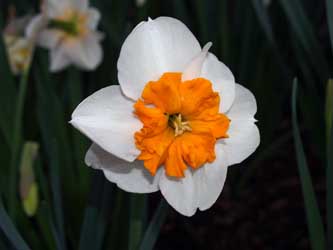
HARVESTING FLOWERS
Different species of flowers need to be picked differently, and
treated differently after picking. Some flowers can be picked well
before the buds open - the buds then open later on. For other species,
the flower must be at least partially opened. In some cases, flowers
won't open if they are picked too early.
General Guidelines for Picking Flowers
Storing Flowers
Flower species vary markedly in how long they can be stored for. Some
orchid flowers can remain open for two months, but most flowers do not
last so well. Flower quality deteriorates from harvest onwards. Good
storage slows deterioration, but does not stop it.
Vase Life
Vase life refers to how long the flower will last when placed on
display in a vase or similar container. Vase life is influenced by a
number of factors including:

Requirements of Specific Species
WHAT PROSPECTS ARE THERE IN THE CUT FLOWER TRADE?
The cut flower trade is ever expanding - as affluence grows this market improves along with it. Opportunities to work in this field or start a business are not at all limited. You can start as a small grower and supply at farmers' markets or you could sell 'off the farm'. A cut flower business does not need large tracts of land either, a small grower can easily start on half an acre of ground. Cut flowers growing also gives the grower an opportunity to find niche markets - the world of flower species is abundant! If you have a passion for flowers and would like to work in the dynamic field then this course, along with the support of our experienced and professional tutors, will help you on your journey!
WHAT SETS ACS APART?
At ACS we provide you with more than just a set of course notes.
Your 'learning package' includes:
-
Course notes.
-
Self-assessment quizzes.
-
Assignment feedback.
-
You can interact one on one with a professional tutor with decades of experience - just email, phone or log on to chat to connect with them.
-
Depending upon your course, your studies may involve independent research, interviews, practical exercises, assessments, Problem Based Learning projects, and more.
-
Our courses are written and taught by experienced professionals, so you know you can expect a high quality of teaching and support.
-
You can start the course at any time and study at your own pace.
-
Fit your studies around your own busy lifestyle - we provide full tutor support for all the time you are studying.
-
Study where you want to - online or eLearning (USB Memory Stick) options of study offer the flexibility for you to determine where and when you study.
ENROL TODAY AND GET SERIOUS ABOUT FLOWER GROWING
ENROL or Use our FREE Course Advice Service to Connect with a Tutor